Chore Charts for Families That Build Habits (Not Battles)
| Header 1 | Header 2 | Header 3 |
|---|---|---|
| Col 11 | Col 21 | Col 31 |
| Col 21 | Col 22 | Col 32 |
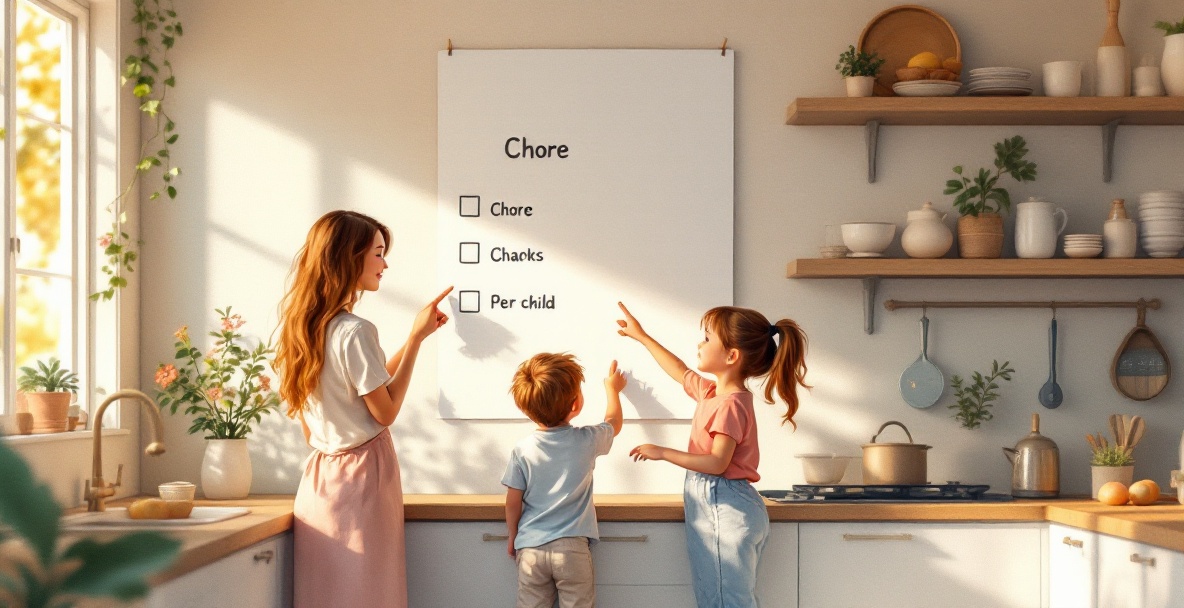
If you've ever taped a chore chart to the fridge, watched it get ignored by Tuesday, and wondered if you're doing this parenting thing wrong, you're not alone. Most chore charts fail because they're too complicated, too vague, or too easy to ignore. But when done right, a chore chart for families can turn daily tasks into habits your kids actually own—without the nagging.
As a parent of three kids (ages 5, 9, and
<img src="/images/bLEh1HozkyiOBu2edTwjd_399974.jpg" />12), I've tested every system imaginable: magnetic boards, sticker charts, whiteboards, and apps. What I've learned is that the best chore chart isn't about perfection—it's about consistency, visibility, and a little bit of fun. Here's how to build one that works for your family.
What is chore charts for families?
A chore chart for families is a visual tool that lists household tasks, who's responsible for them, and when they need to be done. It turns abstract expectations into concrete, trackable actions. For kids, it provides clarity and a sense of accomplishment. For parents, it reduces reminders and creates a predictable routine.
But not all chore charts are created equal. The best ones are age-appropriate, consistent, and show progress in a way kids can see and celebrate. Whether you use a paper chart or a digital app, the goal is the same: build habits that stick.
Who it's for
Chore charts for families are designed for parents (including co-parents) of children aged 3 to 16 who want to motivate kids to do chores and build lasting habits. If you're tired of reminding, negotiating, or just doing it yourself, a chore chart can give your kids ownership and you some sanity.
This isn't for kids as buyers, childcare professionals, or those looking for free printables (though we'll touch on that later). It's for families ready to implement a system that actually works—whether you're in one home or split between two.
Key features / how it works
A successful chore chart system includes a few key elements:
- Chore management: Assign tasks to each child, from making the bed to loading the dishwasher.
- Reward system: Kids earn points or stars for completed chores, which they can trade for rewards your family chooses together.
- Task scheduling: Set recurring tasks (daily, weekly) or one-off jobs, so everyone knows what's expected and when.
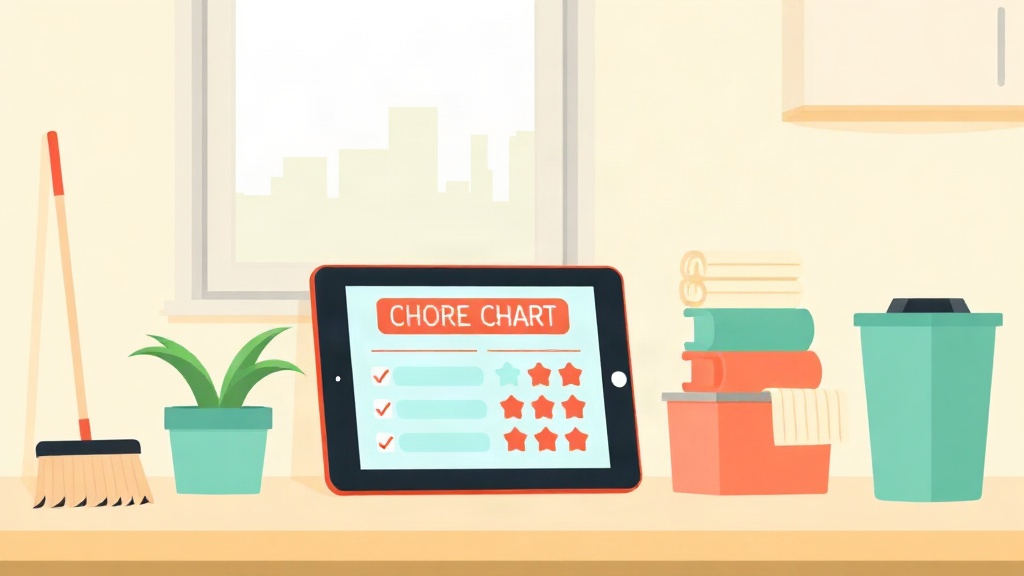
- Progress tracking: Visual progress—like streaks, badges, or a simple checklist—keeps kids motivated and shows them their effort adds up.
- Co-parent sync: For separated or co-parenting families, a shared digital chart ensures both households stay consistent, so kids don't get mixed messages.
Here's how it works in practice: You set up tasks for each child, assign points, and schedule them. Kids see their list, check off tasks, and earn rewards. You get real-time updates on what's done and what's not—no more "I thought you asked them."
Proof & results
Research shows that children who do chores develop higher self-esteem, better problem-solving skills, and a stronger sense of responsibility. But the real proof is in the daily wins: a 6-year-old who remembers to feed the dog without being reminded, a 10-year-old who tracks her own allowance, or a co-parenting duo who finally agree on the same routine.
Families who use a consistent chore chart report fewer arguments and more teamwork. One Calgary mom told us, "We tried paper charts for years. Switching to an app that both my ex and I can see changed everything. The kids know the rules are the same at both houses, and the battles stopped."
How to get started
Getting started with a chore chart for families is easier than you think. Here's a step-by-step approach:
- Start small: Pick one chore per child and attach it to an existing routine (like clearing dishes after dinner).
- Make it visible: Use a chart or app that kids can see and interact with daily.
- Assign age-appropriate tasks: A 3-year-old can put toys in a bin; a 12-year-old can do laundry.
- Set a schedule: Decide whether tasks are daily, weekly, or one-off, and stick to it.
- Track progress: Use points, stickers, or an app to show progress and celebrate wins.
- Adjust as needed: If something isn't working, tweak it. The goal is consistency, not perfection.
If you're ready to skip the paper and go digital, KidKarma makes it simple. You can set up in under 5 minutes, sync with a co-parent, and give your kids a storybook-style interface they'll actually want to use.
Written by a parent who tested chore systems with three kids aged 5–12.
For more tips, check out our blog or our age-appropriate chore guides.