Quick Answer: Growth mindset activities for kids work when they're tied to a visible daily system, not just praise. Pair specific effort-based language with a tracked routine, like chores with points and progress charts, so kids see their own improvement instead of hearing abstract encouragement they can't connect to anything.
A growth mindset isn't built by praise alone. It's built by a visible daily system that rewards effort and progress, not perfection. Most parents already believe this. The harder part is running it every day without it becoming one more thing to remember.
What a Growth Mindset Actually Looks Like Day to Day
A growth mindset in parenting means responding to effort and process, not just results. It shows up in small moments: how you react when a child fails a spelling test, misses a chore, or gives up on tying their shoes.
Fixed-mindset language focuses on identity and talent: "You're so smart" or "You're just not a math person." Growth-mindset language focuses on process: "You worked through that hard problem" or "You tried three different ways before it worked."
The difference matters because kids absorb the frame, not just the words. A child praised for being smart often avoids hard tasks, afraid of losing the label. A child praised for effort tends to keep trying after a setback.
Systems that track behavior over time, rather than one-off results, make this easier to apply consistently. Some families compare structured options like the one outlined in this growth mindset parents guide to see how different reward systems handle effort versus outcome tracking.
Why Praise Alone Doesn't Build a Growth Mindset
Praise alone doesn't build a growth mindset because kids need to see a pattern, not just hear a compliment. Outcome-based praise ("You got an A") teaches a child to chase grades. Effort-based praise ("You studied every night this week") teaches a child to repeat the behavior that worked.
A common parent mistake is praising results only when they're good, and staying silent when they're not. That teaches kids that attention is conditional on winning, which is the opposite of a growth mindset.
Age matters here too. With toddlers, the goal isn't the finished task, it's the attempt. The growth mindset parents approach to toddler chores treats the process, like trying to fold a towel badly, as the actual win.
| Outcome-based praise | Effort-based praise |
|---|---|
| "You're so smart." | "You worked hard on that." |
| "You got it right!" | "You tried a new way to solve it." |
| "Good job, you won." | "I saw you practice every day." |
Daily Growth Mindset Activities You Can Start Today
Growth mindset activities for kids work best when they're attached to something that already happens every day, like a chore after breakfast or a routine before bed.
Concrete habits to try:
- Name one specific effort you noticed, out loud, each evening.
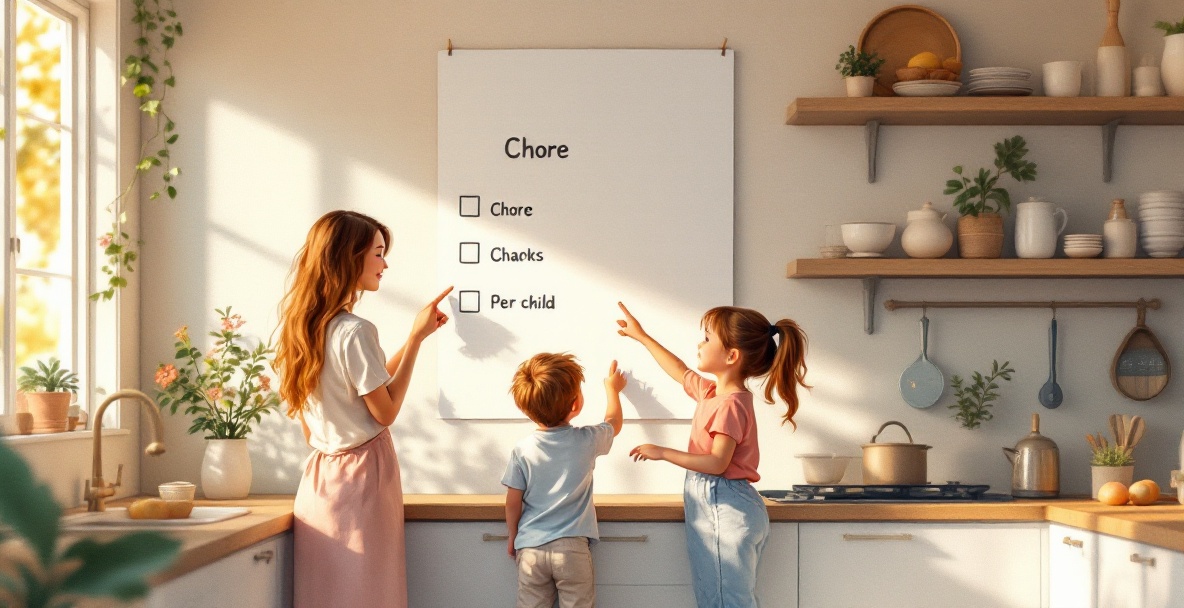
- Let your child choose one chore from a short list, rather than assigning it.
- Ask "What did you try?" before asking "Did you finish?"
- Track the habit visually so the child sees progress, not just a single pass or fail.
- Allow a missed day without erasing the record, then invite them to try again.
Several families build this around an existing chore structure. A growth mindset parents template works because it attaches one chore to one daily trigger, then adds more only once the first becomes automatic.
Others compare tools built for this purpose. A growth mindset parents roundup can help you see which systems track effort over time instead of single completions.
Turning Effort Into a System Kids Can See
Effort becomes a habit when kids can see it tracked, not just hear it praised. This is where a chore and reward structure does real work. KidKarma lets kids earn points for completing tasks, unlock rewards, and build positive habits while parents stay organized and connected.
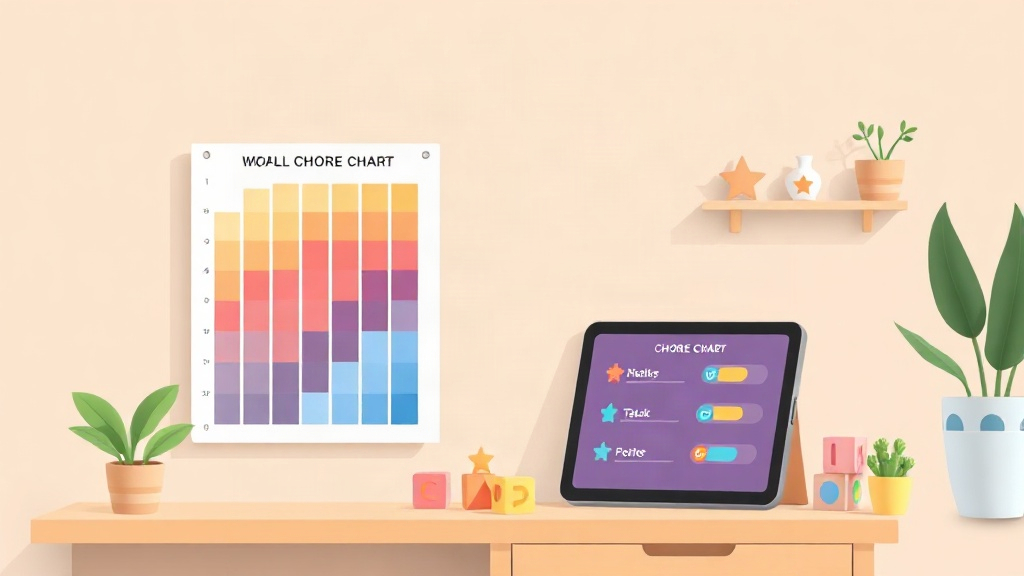
The mechanism is simple: a task gets created, a child completes it, a parent approves it, and the points accumulate on a visible chart. KidKarma gives kids the list, so you stop repeating yourself.
Did You Know?: Progress charts work because they separate "did you do it today" from "how are you doing overall." A single missed day doesn't erase weeks of visible progress.
A digital system also removes a common parenting failure point, forgetting to track consistently. Resources like this growth mindset parents guide cover how visual tracking builds habits faster than motivation alone.
How Co-Parents Can Stay Consistent on Growth Mindset Language
Co-parents stay consistent when they're working from the same list and the same approval standard, not two separate memories of what was agreed. Mixed messages between homes undo growth mindset language fast: a child who hears "good job trying" in one house and "why didn't you finish" in the other learns to distrust the whole idea.
Co-parents share one dashboard and both get approval notifications. This is included on every plan, Plus or Family, monthly or yearly.
Pro Tip: Agree on the same three effort phrases both households will use before you start, like "I saw you try," "You stuck with it," and "What did you learn." Shared vocabulary matters as much as a shared chart.
A growth mindset parents article covers how shared visibility reduces the mental load of tracking two sets of expectations.
Common Mistakes That Undermine a Growth Mindset at Home
The biggest mistakes come from treating growth mindset as a phrase instead of a system. Watch for these:
- Rewarding only outcomes. Giving a reward solely when a task is perfect teaches kids to avoid risk.
- Inconsistent follow-through. Praising effort one week and ignoring it the next breaks trust in the pattern.
- Comparing siblings. "Your brother finished his faster" turns the focus to competition, not growth.
- Fixing instead of coaching. Redoing a child's work quietly tells them their effort wasn't good enough.
A growth mindset parents piece on intentional parenting apps notes that admitting uncertainty and modeling course-correction builds more trust than always having the right answer ready.
KidKarma runs on a 14-day free trial, card required, with every feature included, then from $4.99 a month. The company runs no ads and sells no data, so subscriptions are what keep it running. Start the trial on the growth mindset parents homepage to see how points and progress charts work day to day.