Quick Answer: A teenager reward system pairs specific tasks with points, lets teens redeem those points for rewards they chose in advance, and reviews the structure monthly. It works best run through an app that tracks points automatically, syncs two homes, and handles approvals without daily nagging.
Most advice on teen reward systems explains why teenage brains respond to feedback. That doesn't help you build one. What a parent needs mid-decision is the actual point-task-reward structure and a way to run it without turning into a second job.
Why Teenagers Need a Different Reward System Than Younger Kids
A teenager reward system needs to run on autonomy, not stickers. A sticker chart works for a six-year-old because the reward is the chart itself. A fifteen-year-old wants control over their own task list, their own reward menu, and proof the system applies to both parents equally if the family spans two homes.
Younger-kid systems reward completion of basic tasks like brushing teeth. Teen systems should reward what goes beyond the automatic: cooking dinner, managing a part-time schedule, keeping a car clean. If you're weighing whether to build this in an app or keep it on paper, see this complete comparison of KidKarma and FamilyRewards before deciding.
The core decision is build vs. buy: a spreadsheet you maintain by hand, or an app that tracks points, sends reminders, and syncs both parents automatically.
How a Teenager Reward System Actually Works
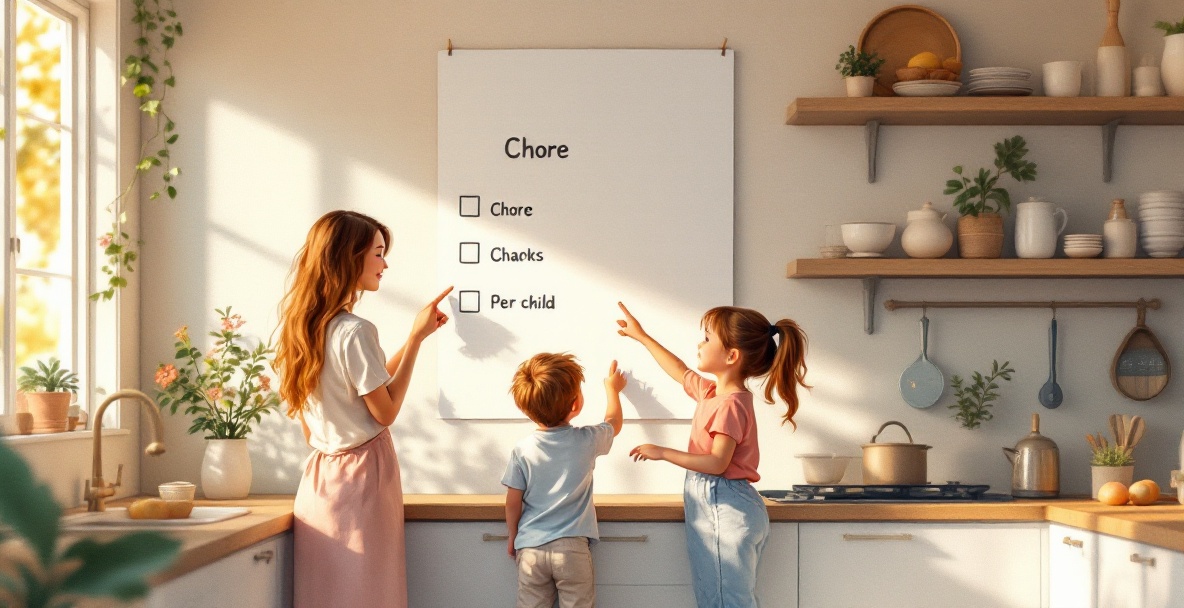
A teenager reward system runs on a cycle: assign a task, the teen completes it, a parent approves it, points get added, and the teen redeems points for a reward. Kids earn points for completing tasks, unlock rewards, and build positive habits while parents stay organized and connected.
The cycle has four parts:
- Task creation: Parent sets specific, not vague, tasks.
- Completion and approval: Teen marks it done, parent approves.
- Point tracking: Points add up automatically, no manual tally.
- Reward redemption: Teen spends points on a reward from their own menu.
KidKarma gives kids the list. You stop repeating yourself. That single line matters for teens specifically: fewer reminders, more self-management. See how the full KidKarma app handles task creation, approval, and redemption in one dashboard.
Building Your Teen's Reward System Step by Step
Building a teen reward system starts with defining tasks precisely, then layering points, tiers, and a review schedule on top. Follow these steps:
- List every responsibility. Skip vague entries like "help around the house." Write "cook dinner Tuesdays, do own laundry, keep car interior clean."
- Assign point values. Quick daily tasks earn fewer points than weekly or bigger jobs.
- Set reward tiers in advance. Agree on what 25, 50, and 100 points buy before the teen starts earning.
- Let the teen build their own reward menu. What motivates a fifteen-year-old is rarely what a parent assumes.
- Review monthly. A system built for a 13-year-old won't fit at 16.
A contract approach helps with teens specifically: write the responsibilities, consequences, and rewards down, and have both sides sign it. For a full breakdown of what chores and consequences fit teens 13 and up, see chore systems built for teens. KidKarma's progress charts and smart reminders handle the day-to-day so the parent isn't the one tracking tiers by memory.
Worth Knowing: Weekly check-ins work better than daily reminders for teens. Asking "how's your task list looking?" once a week gives space to self-manage instead of nagging.
Reward Ideas Teens Actually Want (beyond Allowance)
Teens respond to privileges and experiences more than small toys or stickers. Good reward tiers for teenagers include:
- Extra time with the car or control over the weekend plan
- Choosing a weekend outing or family activity
- A later curfew for one night
- Skipping one assigned chore for the week
- Money toward something they're saving for
- A one-on-one outing with a parent
Tie chores to real privileges where it makes sense: base allowance for base chores, bonus points for extra work, and a direct link between chores and things like phone plan or car use. For more structured reward ideas and the mistakes that make charts fail, read reward systems for kids that actually work.
Buying Tip: Let the teen draft their own reward list instead of guessing. A menu they chose is one they'll actually work toward.
Running It Across Two Homes Without Conflict
A teenager reward system breaks down fast across two homes unless both parents see the same data. Co-parents share one dashboard and both get approval notifications, included on every plan, Plus or Family, monthly or yearly.
That means a task approved at mom's house shows up the same way at dad's house. No separate spreadsheets, no "well he said it was fine." Shared custody chore consistency depends on both parents seeing identical point totals and identical reward tiers, not two competing systems.
This matters most for teens who move between two homes on a schedule. A reward earned Monday at one house should count the same on Friday at the other. Two-Home Sync removes the argument about who gave credit for what.
What It Costs to Run a Teenager Reward System With an App
Running a teenager reward system with KidKarma starts with a 14-day free trial, card required, every feature included, then from $4.99/month. There's no stripped-down trial version to test and a paid version to actually use, the trial includes everything.
| Plan | Price | What's included |
|---|---|---|
| Free trial | 14 days, card required | Every feature, no restrictions |
| Plus | $4.99/month | Two parents or guardians, unlimited kids, tasks, and rewards |
| Family (annual) | $49.99/year | Same features, billed yearly, saves 47% |
A reminder lands on day 11, four days before your trial ends, so there's no surprise charge. You can cancel anytime in your App Store or Google Play subscription settings before the trial ends.
Compared to a spreadsheet or paper chart, an app adds automatic point tracking, approval notifications, and two-home sync without extra setup each week. KidKarma also runs no ads and sells no data, so subscriptions are what keep the lights on, not your family's information. See a full comparison of chore and allowance apps if you're weighing more than one option.
One Google Play user put it this way: "UI is clean; my daughter loves the colors. Customizable tasks, penalties, rewards with points." Another App Store reviewer, OliviaHostland, called it "an amazing app for organizing daily tasks for kids."
Start the 14-day free trial with KidKarma to build your teen's point system with two-home sync included from day one.